Aug. 2, 2025
When it comes to finding the perfect getaway in Brown County, Indiana, the choice often boils down to two captivating lifestyles: the serene embrace of lake living or the cozy charm of a rustic retreat. For families seeking a peaceful sanctuary away from city life, remote workers searching for a picturesque backdrop, or empty nesters ready for their next chapter, Brown County offers an array of opportunities to connect with nature without sacrificing modern comforts.
The Allure of Lake Living
A Tranquil Oasis
Imagine waking up to the gentle lapping of water against the shore, the sun rising over a mirror-like lake. Lake living in Brown County provides a unique blend of tranquility and recreational opportunity. Whether it's Lake Lemon, Lake Monroe, or one of the smaller hidden gems, these bodies of water offer a serene escape from the hustle and bustle of urban living.
Recreation at Your Doorstep
Living by a lake means endless opportunities for water-based activities. Kayaking, fishing, and paddleboarding can become part of your daily routine. For families, this setting provides a natural playground where kids can learn to swim, explore wildlife, and appreciate the beauty of the outdoors. It's not just about summer fun; even in fall, the changing foliage reflected in the water can be breathtaking.
Community and Connection
Lake communities often foster a strong sense of camaraderie. Neighbors become friends through shared experiences like community barbecues or holiday boat parades. These tight-knit communities are ideal for those who value social connection and shared experiences.
Modern Conveniences
Contrary to some misconceptions, lakefront homes in Brown County are not devoid of modern conveniences. Many properties boast high-speed internet, thanks to recent infrastructure improvements, making remote work feasible. Additionally, trusted local contractors are readily available for any renovations or maintenance, ensuring that your lake home remains in top condition.
The Charm of Rustic Retreats
A Cozy Getaway
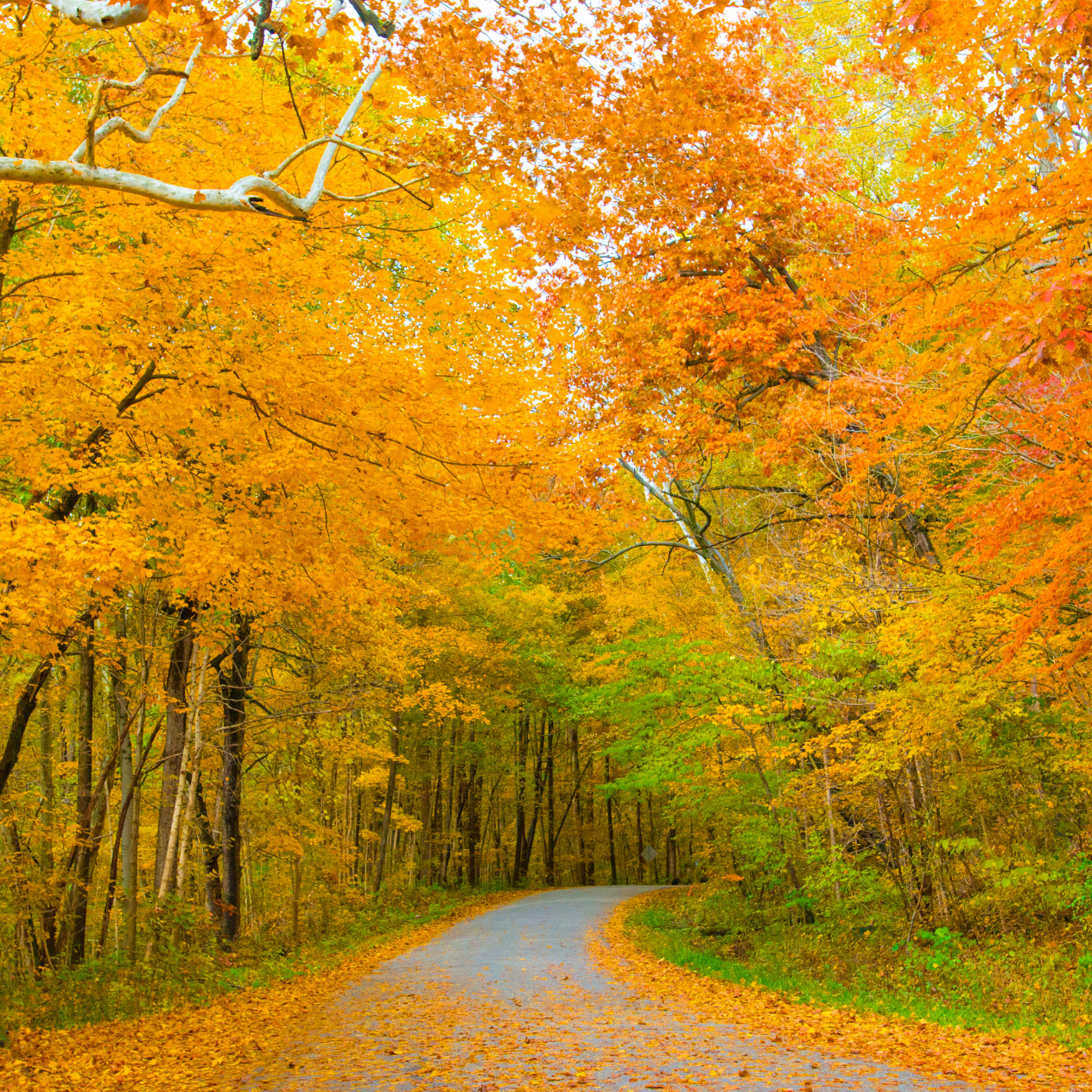
For those drawn to the woods, rustic retreats offer a different kind of solace. Picture a quaint cabin nestled among towering trees, where the only sound is the rustling of leaves. Brown County's rustic retreats provide an authentic connection to nature, perfect for those who value privacy and solitude.
A Simpler Way of Life
Life in a cabin encourages a slower pace. It's about cozy evenings by the fireplace, reading a good book, and savoring a cup of coffee while watching deer wander through the forest. This lifestyle appeals to those who seek a break from the incessant demands of city life, allowing for genuine relaxation and reflection.
Proximity to Nature Trails
Rustic retreats often come with the added benefit of proximity to Brown County's extensive network of hiking and biking trails. Whether it's exploring the hidden paths of Yellowwood State Forest or enjoying the breathtaking views from the top of Hesitation Point, nature enthusiasts will find endless adventures just steps from their door.
Practical Considerations
While rustic cabins offer a charming escape, they do require some practical considerations. Many cabins rely on well water and septic systems, so understanding their maintenance is essential. However, the trade-off is well worth it for those who relish the idea of self-sufficiency and living off the beaten path.
Making the Decision
What Matters Most to You?
Choosing between lake living and a rustic retreat ultimately comes down to personal preferences and lifestyle priorities. Here are a few questions to consider:
1. Do you prefer water-based activities or woodland adventures? If kayaking and fishing excite you, lake living might be the better fit. If hiking and solitude are more your style, a rustic retreat could be ideal.
2. How important is social interaction? Lake communities often offer more social opportunities, while rustic retreats provide greater privacy.
3. Are modern conveniences a priority? While both options offer modern amenities, lake homes are generally closer to larger towns like Nashville, making access to services more convenient.
4. Do you value a slower pace or a more active lifestyle? Rustic retreats are perfect for those who enjoy a laid-back, introspective way of life, whereas lake living might suit those who prefer more recreational activities.
Real-Life Testimonials
Lake Living: A Resident's Perspective
Sarah, a mother of two from Indianapolis, shares her experience: "Moving to a lake house was the best decision for our family. The kids spend their days swimming and fishing, and we've made so many friends through the community events. It's like being on vacation every day."
Rustic Retreat: A Cabin Owner's View
Tom, a retired teacher from Chicago, offers his insight: "Our cabin is our sanctuary. We love the peace and quiet, and being so close to nature has been a dream come true. It's a simpler life, but one filled with so much beauty and tranquility."
A Compelling Conclusion
Whether you're drawn to the shimmering waters of lake living or the secluded charm of a rustic retreat, Brown County offers an idyllic setting for your next adventure. Both lifestyles provide a unique connection to nature, an escape from urban stress, and a chance to embrace a slower, more meaningful way of life.
Take the time to visit, explore the communities, and imagine where you see yourself thriving. With its rich natural beauty and welcoming spirit, Brown County is ready to welcome you home.